At Sustainaspace, we champion the design and construction of energy-efficient homes that balance environmental responsibility with modern living comforts. A critical step in achieving this is careful selection of suppliers and products that directly contribute to energy credits. These credits not only ensure compliance with sustainability standards but also provide long-term financial and environmental benefits for homeowners. Choosing wisely from the outset can significantly enhance your home's efficiency, comfort, and value.
Understanding Energy Credits and Their Importance
Energy credits are a measure of a home’s energy efficiency and sustainability. They reflect the performance of materials, appliances, and systems that reduce energy consumption, greenhouse gas emissions, and overall environmental impact. These credits can be accumulated through measures such as installing high-performance insulation, energy-efficient HVAC systems, and solar panels.
The careful selection of products directly influences the quantity of energy credits a home can earn. For instance, choosing double-glazed windows or advanced LED lighting systems can generate measurable gains in energy performance. Additionally, integrating water-saving devices and renewable energy systems not only supports credits but also contributes to reduced utility bills over time.
Suppliers who consistently deliver high-quality, verified products are central to this process. Thoughtful selection ensures that energy modeling accurately reflects the built outcome, a principle closely tied to energy handovers from report to reality.
Evaluating Suppliers for Reliability and Compliance
A supplier’s track record is often as important as the products themselves. For energy-efficient homes, working with suppliers who provide documentation and verification of product performance is essential. Look for certifications such as Green Star, Energy Star, or local Australian standards, which indicate compliance with rigorous energy efficiency benchmarks.
Reliability goes beyond delivery timelines. It encompasses product durability, warranty coverage, and consistent performance under local climate conditions. A product that promises energy savings on paper but underperforms in reality can compromise the home’s efficiency and diminish credits.
This focus on compliance and verification complements sustainable design consultation processes, similar to how BASIX assessments guide energy-efficient decisions.
Key Product Categories That Earn Energy Credits
Not all products contribute equally to energy efficiency. Prioritizing the following categories ensures maximum credit accumulation:
- Insulation Materials: High R-value insulation for walls, roofs, and floors reduces heat transfer, maintaining comfortable indoor temperatures while lowering heating and cooling demands.
- Glazing and Windows: Double or triple-glazed windows, low-emissivity coatings, and thermally broken frames prevent heat loss in winter and limit heat gain in summer.
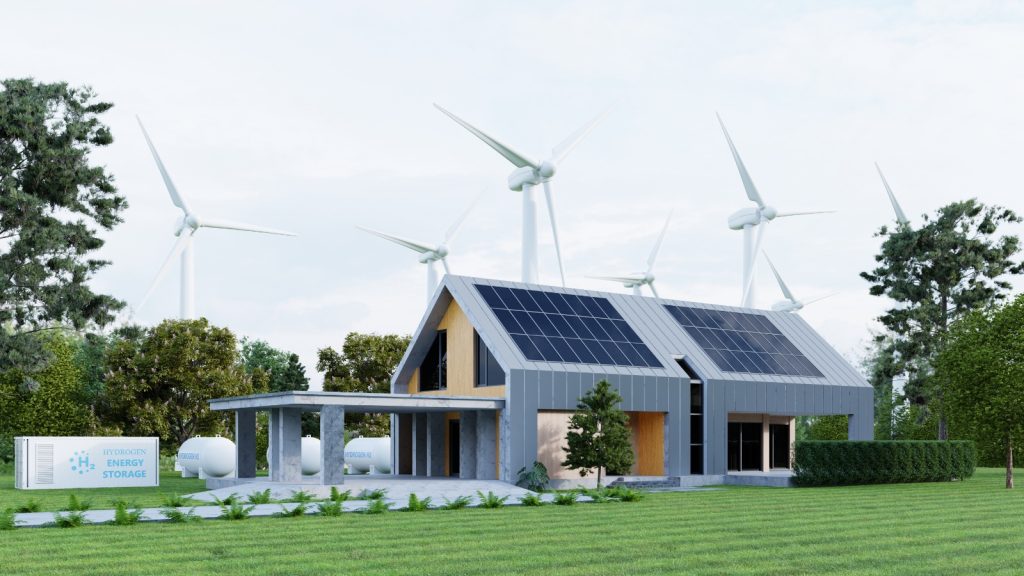
- Renewable Energy Systems: Solar photovoltaic panels and small-scale wind turbines directly reduce reliance on grid electricity, increasing both energy credits and cost savings.
- Lighting and Appliances: Selecting energy-efficient lighting, refrigerators, and HVAC systems certified for low energy consumption ensures measurable improvements.
- Water Efficiency Fixtures: Tapware, showers, and irrigation systems that conserve water indirectly contribute to energy credits by reducing the energy needed to heat and distribute water.
Integration of these products should be carefully modeled in energy efficiency simulations, ensuring the selections align with predicted credit outcomes.
Practical Selection Strategies
When evaluating products, consider a balance of performance, cost, and lifecycle impact. Start by comparing multiple suppliers to identify the best combination of energy efficiency, longevity, and affordability.
- Request Performance Data: Ensure all suppliers provide third-party verified test results, certifications, and warranties.
- Assess Local Adaptability: Products must perform effectively in local weather and soil conditions. For example, roofing materials suitable for temperate climates may not perform efficiently in high UV regions.
- Prioritize Longevity and Maintenance: Sustainable products that require less frequent replacement or maintenance have a smaller environmental footprint and better long-term energy performance.
Additionally, building relationships with reliable suppliers often leads to collaborative problem-solving. When unexpected challenges arise during construction, experienced suppliers can offer alternatives that maintain energy credit integrity.
The journey from report to built outcome highlights the significance of aligning supplier selection with actual energy performance predictions, ensuring the envisioned efficiencies are realized in practice.
Balancing Innovation With Proven Solutions
While cutting-edge technologies can offer exciting energy savings, proven solutions often provide more predictable results. For instance, advanced smart-home systems that monitor energy use can be beneficial, but their integration requires careful planning to avoid conflicts with existing energy models.
It’s also essential to balance innovative materials and appliances with supplier reliability. A revolutionary HVAC system may promise significant savings, but without documented performance data or local service support, it could jeopardize compliance and energy credit acquisition.
This approach mirrors the methodology of sustainable design consultations, where selecting systems and products that complement each other is as critical as the design itself.
Creating a Long-Term Energy-Efficient Legacy
Selecting the right suppliers and products is not just a step toward immediate energy credits; it’s an investment in the home’s long-term sustainability. Well-chosen products reduce ongoing energy costs, improve indoor comfort, and increase resale value.
Moreover, careful documentation of each product and its performance ensures a smooth certification process and facilitates future upgrades. As energy standards evolve, homes built with quality materials and systems can more easily incorporate new technologies without significant retrofitting.
At Sustainaspace, we prioritize guidance and oversight to ensure every home achieves its potential for energy credits. Thoughtful supplier and product selection is more than a technical step—it’s part of a broader commitment to creating homes that respect the environment, delight residents, and stand the test of time. By strategically combining verified products, reliable suppliers, and careful modeling, the energy-efficient homes we design today will continue to inspire sustainable living for years to come.