At Sustainaspace, we know how critical it is to communicate a vision with clarity and precision. Whether you’re an architect, a developer, or a homeowner looking to showcase your project, the choice between exterior and interior 3D renders can significantly influence how your design is perceived—and ultimately, how well it sells. Both types of renderings serve different purposes, and understanding when and why to use each can make all the difference in approvals, marketing, and client buy-in.
The Role of Exterior Renders in Property Marketing
Exterior renders are often the first impression of a design. They provide a realistic preview of how a building will sit within its environment, showcasing façade details, landscaping, and the interaction with natural light. Buyers and stakeholders respond strongly to this because it allows them to visualise the project in context before construction begins.
From a sales perspective, exterior images are indispensable in real estate listings, brochures, and websites. Developers use them to highlight curb appeal and architectural features that set a property apart. Councils and planning authorities also benefit from exterior visuals as they can better assess how the design integrates with surrounding structures.
Just as virtual tours speed up approvals and improve buy-in, exterior renders bring forward the same clarity at an earlier stage—helping decision-makers feel confident in moving forward with a design.
Interior Renders: Selling Lifestyle and Experience
While exteriors create first impressions, interiors sell the story of living. Interior 3D renders allow clients and buyers to immerse themselves in the details of a space—the lighting, textures, furnishings, and overall atmosphere.
For developers, interior images are critical in marketing campaigns aimed at buyers who need to imagine their day-to-day life inside the property. For architects and designers, they help demonstrate how spatial planning and finishes align with the intended user experience. From the warmth of a living room to the flow of a kitchen-dining area, interiors reveal the human scale of a project.
High-quality interior visuals, especially when paired with advanced rendering services such as interactive tours, transform static designs into tangible experiences that resonate with audiences on an emotional level.
Choosing the Right Render for the Right Stage
One of the biggest questions in 3D rendering is not just which type of render to use, but when to use it. During early approval phases, exterior visuals are more effective as they demonstrate massing, scale, and community impact. Once approvals are underway or secured, interior renders take on greater importance for marketing and buyer engagement.
Some projects benefit from using both simultaneously. A residential development, for example, may require exteriors to satisfy planning requirements and interiors to attract pre-sales. Commercial projects often follow the same logic, with exteriors used for municipal review and interiors for leasing campaigns.
This balance between interior and exterior visuals works seamlessly with broader 3D rendering services like guided virtual tours, where both perspectives combine to create a complete understanding of a project.
The Emotional Connection: Lifestyle Vs Aspirational Appeal
Beyond technical use, both render types appeal to different aspects of human decision-making. Exterior renders typically tap into aspirational appeal—the grand vision of owning or investing in a striking architectural form. Interior renders, by contrast, speak directly to lifestyle, allowing people to picture themselves working, living, or relaxing in the space.
Marketing studies show that emotional engagement drives purchasing decisions more than facts alone. A stunning exterior may draw someone’s attention, but it is the interior that seals the deal by creating a sense of belonging. This is why many property developers commission multiple interior renders showcasing different spaces and moods within the same project.
The Technology Behind Photorealism
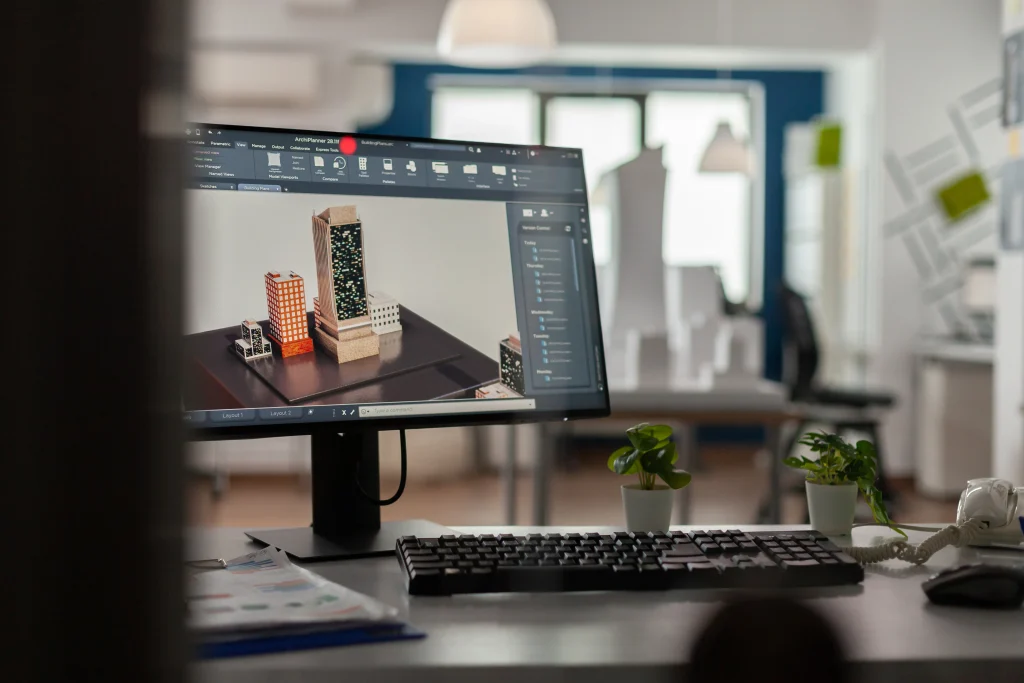
Both interior and exterior renderings rely on advanced software and rendering engines to achieve photorealism. Lighting simulations, material mapping, and texture detailing are vital for creating authentic visuals. For exteriors, features like seasonal lighting, greenery, and surrounding structures are incorporated to ground the building in reality. For interiors, furniture placement, soft shadows, and surface finishes bring spaces to life.
The technology is advancing rapidly. Ray tracing, AI-driven enhancements, and real-time rendering are making it possible to deliver immersive results faster and at higher quality. For clients, this means fewer revisions, faster approvals, and stronger marketing assets.
Finding the Right Balance for Your Project
Exterior and interior renders are not competing tools; they complement each other. Choosing the right mix depends on your project goals, whether that’s gaining planning approval, driving off-the-plan sales, or securing stakeholder confidence. The most successful design presentations often integrate both, ensuring that the audience not only sees the building but also feels the experience of being inside it.
At Sustainaspace, we approach rendering with this balance in mind. By tailoring the type of visualisation to the project stage and audience, we help our clients achieve faster approvals, stronger market interest, and more meaningful connections with buyers and stakeholders. Whether you need a striking exterior to showcase architectural form or an inviting interior to capture the spirit of a home, the right rendering choice will always elevate your design story.