At Sustainaspace, we specialise in translating architectural visions into immersive, high-fidelity 3D visuals. Our approach combines technical precision with creative insight, allowing clients, developers, and stakeholders to see a project’s potential before the first brick is laid. From realistic interior perspectives to expansive exterior overviews, 3D rendering and virtual tours are more than visual tools—they are essential for informed decision-making, effective project communication, and showcasing a project’s true potential in competitive markets.
Understanding 3D Architectural Rendering
3D architectural rendering involves creating photorealistic or stylized images of buildings and spaces using specialized software. These renderings help architects and designers showcase concepts that may otherwise remain abstract on paper. Modern rendering tools allow for intricate detailing, accurate lighting simulation, and material representation, bridging the gap between imagination and reality.
Accurate renderings provide a sense of scale, proportion, and depth, giving stakeholders a tangible understanding of how a design will feel in real life. In addition, renderings act as a communication tool for construction teams, reducing misinterpretations that could result in costly changes on-site. For instance, distinguishing which aspects of a project will sell best—whether interior or exterior—relies heavily on how the visuals communicate key design elements, highlighting the subtle decisions that impact engagement, marketing, and investment outcomes.
Interior vs Exterior Renders: Crafting the Right Perspective
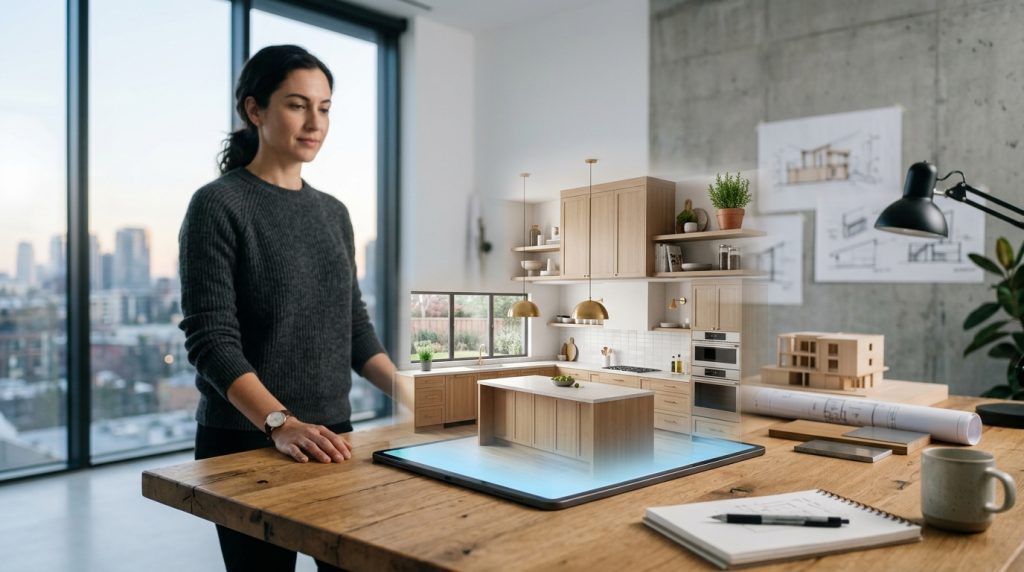
Different project goals require different rendering approaches. Interior renders focus on spaces people inhabit—kitchens, living areas, offices, or retail environments. They highlight furniture layouts, lighting schemes, textures, and finishes, allowing clients to envision functionality, flow, and atmosphere. Subtle details, such as the effect of natural light through windows or the texture of flooring materials, can make or break a design’s appeal and usability.
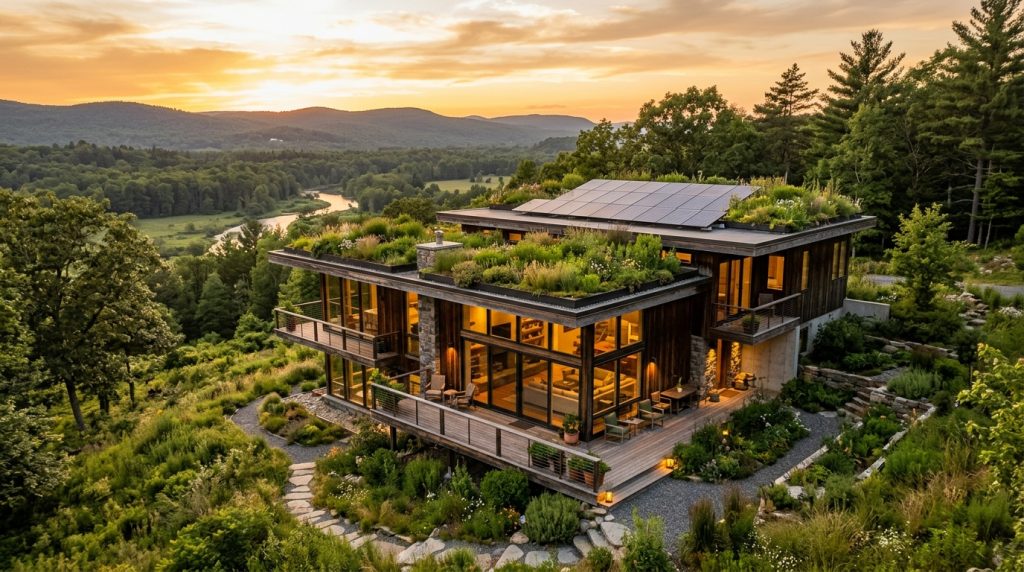
Exterior renders emphasise the building’s form, landscaping, and integration with its surroundings. These visuals are crucial for marketing developments, securing planning approvals, and showing environmental context. By presenting a complete picture, stakeholders gain confidence in the project’s feasibility and aesthetic value. A well-executed exterior render can complement insights from interior visuals, ensuring every angle of a project is represented and convincing to stakeholders, supporting faster buy-in and stronger approval outcomes.
The Role of Virtual Tours in Engagement
Virtual tours have transformed architectural visualisation by offering interactive exploration. Unlike static images, tours allow viewers to navigate spaces freely, simulating the experience of physically walking through a building. This immersive perspective is invaluable for client presentations, real estate marketing, and investor updates.
Virtual tours can highlight design decisions in real time, such as natural lighting effects at different times of day, the flow between rooms, and spatial relationships. By allowing stakeholders to experience a project virtually, potential issues can be identified and resolved early, improving both efficiency and satisfaction. Integrating virtual tours with high-quality renders enhances communication between design teams and clients, similar to understanding project files, styles, and turnarounds during a rendering brief, ensuring every stakeholder engages with the design fully and accurately.
Planning and Briefing a Rendering Project
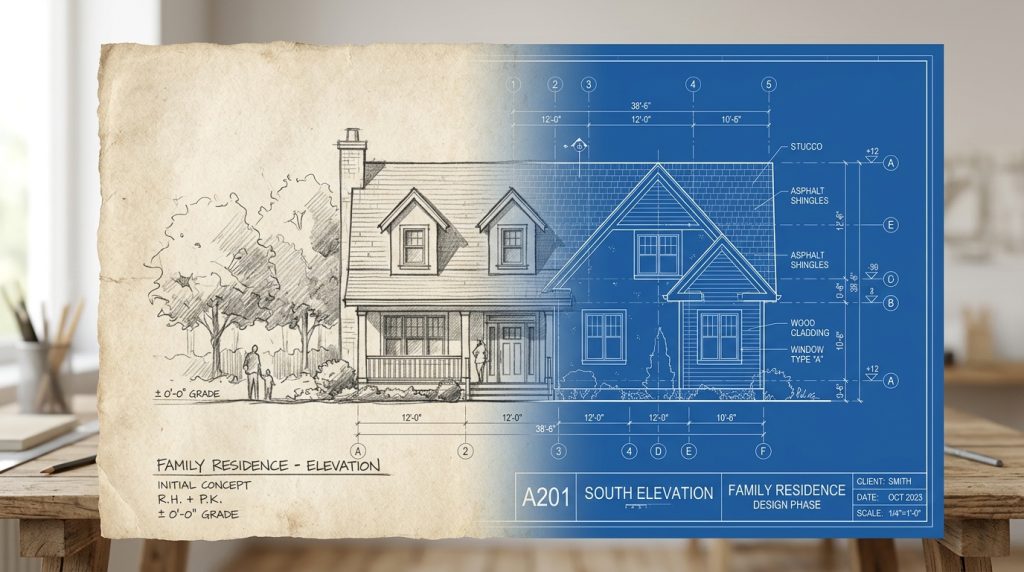
The foundation of any successful 3D rendering project is a clear and thorough brief. Essential components include architectural plans, elevations, material specifications, and reference imagery. The level of detail provided directly influences the render’s accuracy and the time required to deliver the final product.
Project briefs should also define output style—photorealistic, artistic, or schematic—as this informs lighting, texture, and post-processing techniques. Collaborative review loops and milestone checks prevent misalignment and ensure the final product meets expectations. Turnaround time planning is critical, especially for complex renders or interactive walkthroughs that may require multiple days or even weeks to perfect. Clear communication between clients and rendering teams ensures both quality and efficiency, reducing the risk of costly revisions.
Pricing and Value in 3D Rendering Services
Pricing for 3D rendering varies depending on complexity, resolution, number of images, and additional features such as animations or virtual tours. Simple interior renders may be more affordable, while full-scale exteriors or interactive walkthroughs involve more resources, including rendering time, artist expertise, and software costs.
Despite these costs, investing in high-quality renders provides measurable benefits. Accurate visualisation reduces the likelihood of expensive design changes during construction, improves marketing effectiveness, and enables confident decision-making by all project stakeholders. Developers and architects increasingly recognise that these upfront costs are an investment in clarity, efficiency, and project success. Similarly, visualising energy upgrades or sustainability-focused adjustments can dramatically improve understanding and decision-making during project development, reinforcing the broader value of detailed, accurate 3D representations.
Emerging Trends in Architectural Rendering
Rendering technology continues to evolve rapidly, driven by real-time engines, AI-assisted material creation, and VR/AR integration. Real-time rendering allows architects and clients to explore projects interactively without waiting for static images, while AI tools streamline material creation and texture accuracy, improving both efficiency and quality.
Sustainability considerations are also becoming integral to rendering workflows. Designers can now simulate energy performance, daylighting, and environmental impacts within 3D visuals, providing stakeholders with actionable insights beyond aesthetics. As the line between virtual and physical experiences blurs, clients increasingly expect immersive, interactive presentations that combine photorealistic visuals with real-world performance data.
Elevating Designs Through Precision and Immersion
At Sustainaspace, our commitment is to provide more than just images—we deliver clarity, confidence, and a true sense of spatial experience. 3D architectural rendering and virtual tours empower designers and developers to communicate ideas more effectively, engage clients meaningfully, and make informed decisions with certainty. From detailed interiors to sweeping exteriors, from static renders to immersive walkthroughs, our work transforms complex architectural visions into accessible, actionable insights. By combining visual accuracy with interactivity, every project we touch benefits from enhanced understanding, better stakeholder engagement, and a stronger pathway to successful completion.