At Sustainaspace, we understand that achieving an energy-efficient home goes beyond designing and planning. The true test lies in the handover stage, where recommendations from energy efficiency reports transition into real, tangible outcomes. This stage ensures that every design decision, material choice, and system installation aligns with the sustainability goals set at the project's outset. By carefully navigating this process, homeowners and builders can ensure that their eco-homes perform as intended and maintain long-term efficiency. Properly managed, the handover can also highlight opportunities for optimization that were not apparent during the design phase.
Understanding the Energy Efficiency Report
An energy efficiency report is more than just a formality—it is a blueprint for sustainable performance. These reports, often generated through simulation software and compliance assessments, outline critical details such as insulation levels, glazing specifications, heating and cooling loads, and energy-saving recommendations. They provide measurable targets for the building’s thermal performance, ensuring that the home meets or exceeds regulatory standards.
Aligning with foundational planning steps, like assessing goals, budgets, and compliance targets, helps clarify what the report aims to achieve for your eco-home. Every specification in the report is grounded in quantifiable data, allowing designers and builders to make evidence-based decisions during construction. For example, a report might recommend R5.0 insulation in walls, high-performance double-glazed windows, and a well-sealed roof cavity to minimize heat loss. Understanding these requirements helps builders anticipate challenges and select appropriate materials.
Beyond regulatory compliance, these reports also predict operational costs and energy consumption, giving homeowners a realistic expectation of their utility bills. Detailed simulations can indicate the effect of solar orientation, shading, and natural ventilation strategies, making the report a comprehensive guide for sustainable living.
Preparing for Handover: What Builders and Homeowners Should Know
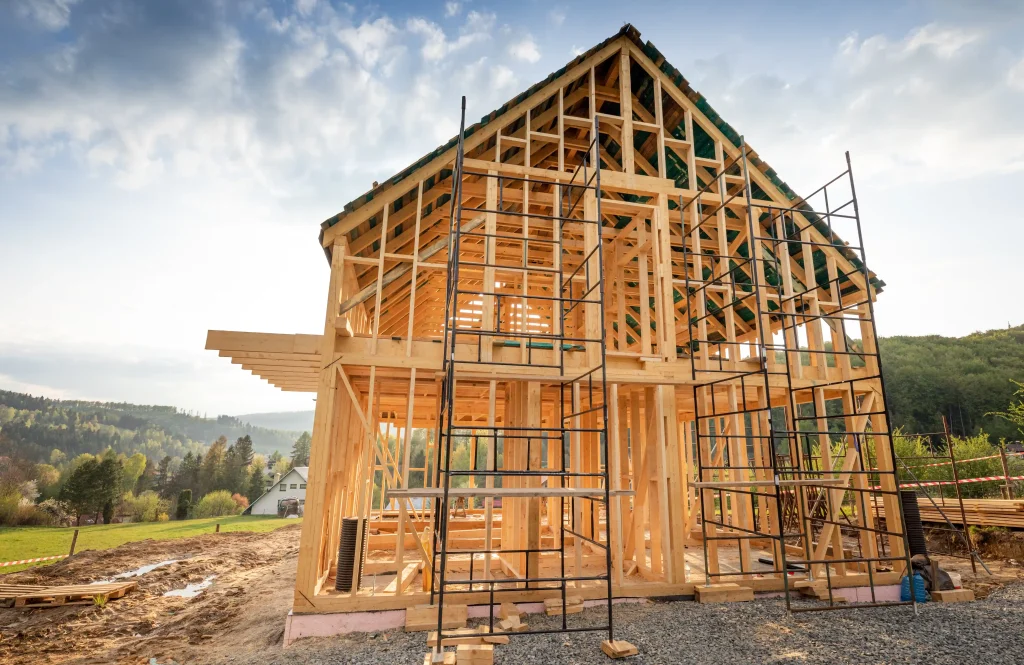
The handover stage is a collaborative effort between builders, designers, and homeowners. Clear communication ensures that the intent of the energy efficiency report is understood and implemented. Builders need to verify that materials, construction techniques, and installed systems match the specifications. This includes checking insulation installation, window performance, airtightness, and HVAC efficiency.
Homeowners can also play a crucial role by understanding the report’s recommendations. This knowledge allows them to verify the work, ask informed questions, and make lifestyle adjustments that complement the home’s sustainable features. Integrating a structured consultation process, similar to what is outlined in sustainable design assessments, provides clarity on what is achievable versus what was modeled in simulations.
Preparing for handover also involves coordinating with subcontractors. Trades like electricians, plumbers, and HVAC specialists need to follow energy-conscious installation practices. Ensuring that ducts are sealed, plumbing is insulated, and lighting is energy-efficient prevents costly performance gaps that may only become evident after occupancy.
Bridging the Gap Between Report and Reality
Even the most comprehensive energy efficiency report cannot guarantee performance unless it is accurately translated into construction. This involves meticulous oversight to ensure that recommendations are implemented correctly. For instance, specifying high-performance glazing is one step; ensuring it is installed without thermal bridging or air leaks is another critical factor. Similarly, energy-efficient lighting and appliances must be correctly connected to realize projected savings.
On-site inspections and quality checks are essential. Third-party verification can provide an unbiased assessment, confirming that the home aligns with predicted energy performance. For example, blower door tests can detect air leakage, while thermographic imaging can identify areas of heat loss. This bridging of theory and practice safeguards both regulatory compliance and homeowner expectations.
In much the same way that energy modeling during kick-off planning sets benchmarks for design and budget, careful attention during handover ensures that the home's performance matches the report’s predictions. Small oversights, like incorrectly installed insulation or poorly sealed windows, can significantly affect energy efficiency. Catching these issues early reduces long-term energy costs and prevents future retrofit expenses.
Documenting and Tracking Implementation
Proper documentation is key to a successful handover. Builders should maintain detailed records of materials, installation methods, and system configurations. This documentation not only supports regulatory compliance but also serves as a reference for future maintenance and upgrades.
Monitoring tools, such as smart meters and energy dashboards, can track performance against report predictions. This feedback loop allows homeowners to understand real-world energy usage and identify any areas for improvement. The process of translating a report into actual performance mirrors the detailed energy assessments conducted during kick-off planning and BASIX evaluations, ensuring the home performs as intended.
Record-keeping also facilitates warranty claims or performance guarantees. If certain systems, such as solar panels or heat pumps, do not meet expected efficiency, documented evidence helps resolve disputes quickly. Moreover, tracking implementation allows homeowners to gradually refine their energy-saving strategies based on real-world data.
Educating Homeowners for Optimal Performance
Handover is not merely about delivering keys—it is about empowering homeowners. Understanding how to operate and maintain systems is essential for maximizing efficiency. This includes learning how to use HVAC systems effectively, the importance of sealing and insulation maintenance, and strategies for passive heating and cooling.
Homeowners who engage with this knowledge are more likely to preserve energy efficiency long-term. They can make informed decisions about appliance use, lighting schedules, and temperature settings that align with the home’s design intent. Moreover, educating homeowners ensures that minor deviations during construction do not compromise the overall performance of the home, preserving both comfort and sustainability.
Sustainaspace also encourages homeowners to schedule periodic performance checks. These may include inspections of insulation, window seals, and ventilation systems. Regular maintenance helps prevent degradation of energy-saving features over time and maintains optimal indoor comfort.
Securing Long-Term Sustainability
Ultimately, the handover process transforms the energy efficiency report from a static document into a living, functioning home. Continuous attention to maintenance, monitoring, and user behavior ensures that the eco-house delivers on its sustainability promises. The goal is not just to comply with regulations but to create a resilient, energy-conscious living environment.
By connecting detailed planning, compliance evaluation, and sustainable design practices, homeowners achieve the full potential of their energy-efficient homes, translating recommendations into lasting performance. At Sustainaspace, we guide this journey from conceptual planning to handover, ensuring that every home not only meets energy standards but thrives as a comfortable and responsible living space. The careful implementation of each recommendation ensures that energy efficiency is not just a target on paper but an everyday reality for residents.