At Sustainaspace, we understand that creating energy-efficient retail and office spaces requires more than ticking a checklist—it’s about balancing occupant comfort with measurable energy performance. Unlike residential dwellings, these mixed-use environments present unique challenges: fluctuating occupancy, variable equipment loads, and complex thermal zoning. Optimizing energy use while maintaining a comfortable environment is critical not just for sustainability, but also for operational efficiency and tenant satisfaction.
Understanding Comfort in Commercial Spaces
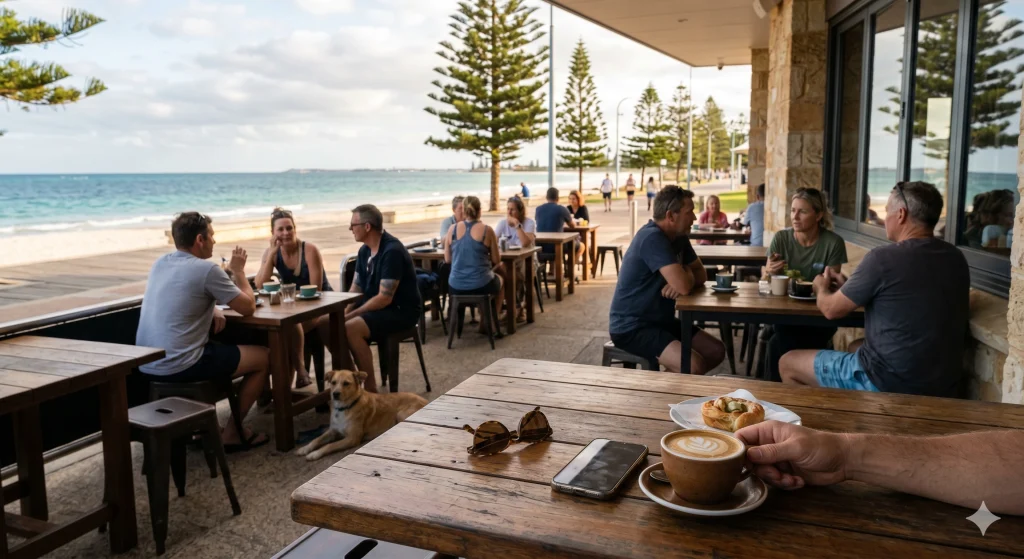
Comfort in offices and retail environments extends beyond temperature. Thermal comfort is influenced by air movement, humidity, and radiant heat from equipment or glazing. In spaces with large glass facades or high ceilings, overheating can occur even when ambient temperatures seem moderate. Occupant satisfaction surveys often reveal that perceived comfort doesn’t always align with actual energy-efficient operation, meaning HVAC systems may work harder than necessary.
Acoustic comfort also plays a subtle role. Background noise from HVAC systems, equipment, or even retail activity can affect perceived comfort and productivity. High-performing energy models need to account not just for thermal comfort but also for these environmental factors that impact occupant satisfaction.
A similar issue arises in mixed-use building designs, where correctly splitting class loads in JV3 modeling can prevent inefficiencies and misrepresented energy performance. Ensuring that each zone is modeled accurately is essential to avoid over-conditioning or under-conditioning areas, which can dramatically affect both energy consumption and occupant comfort.
HVAC Systems: Efficiency Meets Flexibility
Commercial HVAC systems are the backbone of comfort. Variable air volume (VAV) systems, chilled beams, and high-efficiency heat pumps are common solutions for offices and retail spaces. The key is flexibility—systems must respond to changing occupancy, operating hours, and internal heat gains from lighting or equipment.
Energy modeling can help predict these variations. By simulating daily and seasonal occupancy patterns, designers can identify opportunities for demand-controlled ventilation, optimized setpoints, and equipment scheduling. For example, a retail store may experience peak occupancy in the afternoon and low foot traffic in the morning; without scheduling adjustments, energy can be wasted cooling an empty space.
Lighting and equipment loads also impact HVAC performance. Heat from LED fixtures, computers, or refrigeration units contributes to internal gains that must be accurately captured in modeling. Much like ensuring correct class load allocations in JV3 for mixed-use buildings, small inaccuracies in modeling commercial HVAC zones can skew results and mask energy inefficiencies. Accurate thermal zoning, coupled with realistic schedules, ensures that comfort is maintained without excessive energy consumption.
Lighting: Beyond Lumens
Lighting in commercial spaces is no longer just about visibility—it’s a major factor in energy consumption. Modern LED solutions paired with occupancy sensors and daylight harvesting can significantly reduce energy use. Retail spaces, in particular, must consider lighting quality and aesthetics, as overly harsh or uneven lighting can negatively affect both customers and staff.
Daylight integration plays a dual role. Not only does it reduce electric lighting demand, but it also enhances occupant wellbeing. Proper façade design, shading devices, and smart controls allow daylight to supplement artificial lighting while avoiding glare or heat gain. For instance, automated blinds can adjust to incoming sunlight, reducing glare on computer screens while minimizing cooling load.
This principle resonates with the approach in splitting loads for mixed-use buildings; failing to consider internal gains and spatial orientation can undermine energy savings. Thoughtful lighting design ensures both human comfort and energy efficiency, a balance that is essential for sustainable retail and office environments.
Thermal Envelope: The Silent Energy Consumer
The building envelope—walls, roofs, windows, and insulation—directly impacts both energy use and comfort. High-performance glazing, well-sealed envelopes, and reflective roofing materials can reduce heating and cooling demands. For retail and office buildings, where large open spaces are common, even small improvements in insulation or glazing performance can translate into significant energy savings.
Facade orientation also matters. North-facing glass can provide passive heating in winter, while shading devices and low-e coatings reduce summer overheating. Proper U-values, SHGC ratings, and airtightness are critical to achieving Section J compliance and overall energy efficiency. Thermal bridges, often overlooked in commercial buildings, can also compromise performance if not carefully addressed during design.
Materials play a subtle but important role. Light-colored exterior finishes can reflect solar radiation, while high thermal mass internal surfaces can buffer temperature swings. By understanding the interplay between materials, orientation, and occupancy patterns, designers can create envelopes that reduce HVAC demand without sacrificing comfort.
Energy Modeling: The Balancing Act
Accurate energy modeling is a cornerstone of sustainable commercial design. Tools like JV3 allow designers to predict heating, cooling, and lighting energy consumption before construction begins. The challenge lies in balancing the model to reflect real-world conditions, rather than idealized scenarios. Overestimating occupancy or internal gains can lead to oversized HVAC systems and higher costs, while underestimating them can compromise comfort.
Energy models should consider peak loads as well as daily operational cycles. Integrating realistic assumptions about operating hours, appliance usage, and lighting schedules prevents the model from producing overly optimistic energy savings that fail in practice. As highlighted in mixed-use building modeling, splitting class loads correctly ensures that energy performance predictions are reliable. A well-calibrated model considers occupancy schedules, equipment loads, lighting, and envelope characteristics to create a holistic view of energy and comfort interactions.
Designing for People and Performance
Ultimately, energy-efficient commercial buildings are about people as much as performance. Occupant comfort drives productivity, retention, and satisfaction, while energy efficiency reduces operational costs and environmental impact. Achieving this balance requires collaboration between architects, engineers, and energy consultants, with a clear understanding of both the building’s intended use and its environmental context.
Innovations such as adaptive comfort models, demand-controlled ventilation, and integrated lighting controls enable designers to create spaces that feel comfortable without wasting energy. By combining accurate modeling, thoughtful material selection, and responsive systems, retail and office buildings can meet sustainability goals while providing welcoming, productive environments. Small operational strategies, such as staggered start times or targeted zone control, can further reduce energy use without impacting occupant experience.
At Sustainaspace, we champion designs that harmonize comfort and efficiency, ensuring that each project is both practical and sustainable. By approaching energy modeling with precision, attention to occupant needs, and a focus on long-term performance, we help deliver commercial spaces that truly embody environmentally responsible design—while subtly reflecting the lessons learned from mixed-use load management principles. With this approach, energy-efficient retail and office buildings can thrive, providing a healthy environment for occupants and a lower environmental footprint for the community.