At Sustainaspace, we are passionate about making homes not only comfortable but also sustainable. One of the critical tools in achieving energy-efficient living in Australia is a NATHERS assessment, a standardized rating system that evaluates the thermal performance of homes. Understanding how these assessments work and what factors influence their cost can empower homeowners and builders to make smarter, greener choices for new constructions, renovations, or additions.
What is a NATHERS Assessment?
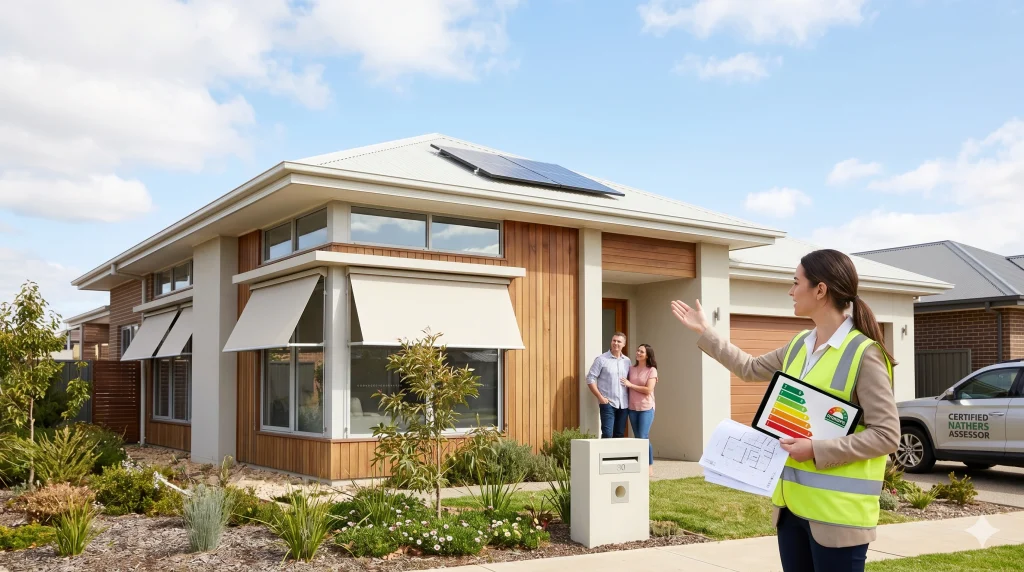
NATHERS, or the Nationwide House Energy Rating Scheme, is a star-based system measuring the energy efficiency of a home’s design. Ratings range from 0 to 10 stars, with higher stars indicating lower expected energy use for heating and cooling. The assessment focuses on aspects like insulation quality, window placement, ventilation, and orientation relative to the sun.
The process is usually carried out by a certified assessor who uses approved software to model the home’s thermal performance. The final output includes a star rating and often practical recommendations for improvements. While new homes almost always require this assessment, renovations or additions might also need one to meet compliance standards.
Interestingly, the considerations for a NATHERS assessment often overlap with those described in guides like the Section J Report Guide: NATHERS For Renovations & Additions: When You Need One — Eco Homes, which helps clarify when an older home or extension requires detailed evaluation.
Factors That Affect NATHERS Assessment Costs
Several elements influence the cost of a NATHERS assessment. Understanding these factors can help homeowners anticipate expenses and avoid surprises:
- Home Size and Complexity – Larger homes or designs with multiple levels and unique architectural features usually require more detailed modeling, increasing the assessment cost.
- Location and Climate Zone – Australia’s climate zones vary dramatically. Homes in hotter regions may need more detailed analysis of shading, ventilation, and cooling, while colder regions focus on heating efficiency.
- Type of Project – New builds often have a straightforward process, while renovations or additions can be trickier. Homes with partial assessments or complex retrofitting may cost more due to additional calculations and verification.
- Assessment Detail Level – Whole-home assessments cost more than partial ones because they involve modeling every room, window, and fixture.
Generally, costs range from $300 to $800 for standard homes, with more complex projects exceeding this range. Homeowners should request quotes from certified assessors to compare prices and services.
Why Energy-Efficient Homes are Worth the Investment
While a NATHERS assessment represents an upfront cost, the long-term benefits of energy-efficient homes often outweigh it. High-performance homes reduce electricity and gas consumption, lowering utility bills year-round. Additionally, they enhance comfort by maintaining more stable indoor temperatures, improving indoor air quality, and often increasing property resale value.
Energy efficiency also aligns with Australia’s broader environmental goals. Reducing energy use contributes to lower greenhouse gas emissions, supporting sustainable living at a household level. This makes investments in NATHERS assessments and associated improvements a meaningful choice both financially and ethically.
For homeowners undertaking renovations, it’s worth exploring frameworks similar to BASIX Guide: NATHERS Assessment (7-star & Whole-of-home) — Complete Guide — ESD, which demonstrates how regulatory standards ensure new additions maintain the same level of energy efficiency as the original home.
Common Upgrades Recommended by Assessors
A NATHERS assessment often highlights practical ways to improve a home’s energy rating. Common recommendations include:
- Improved Insulation: Upgrading roof, wall, and floor insulation to reduce heat transfer.
- Window Placement and Glazing: Adjusting window size, type, or orientation to maximize natural light while minimizing heat loss or gain.
- Shading and Ventilation: Installing eaves, awnings, or cross-ventilation systems to improve comfort and reduce reliance on air conditioning.
- Energy-Efficient Appliances: Using efficient heating, cooling, and hot water systems to minimize energy consumption.
These upgrades not only improve the star rating but can lead to noticeable energy savings. Even minor improvements, like adding shading or sealing gaps, may significantly enhance a home’s performance.
Planning for Your NATHERS Assessment
To make the process smooth and cost-effective:
- Gather Home Plans: Accurate floor plans, elevations, and specifications reduce assessor time and potential errors.
- Understand Compliance Requirements: Certain councils and states may require NATHERS assessments for approvals, especially for larger projects or energy-efficient certifications.
- Engage Early: Including a NATHERS assessment in the early design or renovation stage allows modifications without costly retrofits.
Being proactive ensures the assessment provides actionable insights rather than just a rating, helping homeowners make informed design and investment decisions.
Even for smaller projects, lessons from Section J Reports or the BASIX assessment guidelines can guide decisions, ensuring energy efficiency is not an afterthought.
Energy Efficiency as a Lifestyle Choice
Adopting energy-efficient practices in home design reflects a broader lifestyle commitment. Beyond cost savings, it demonstrates environmental responsibility and resilience against future energy price fluctuations. Modern Australian homes increasingly integrate solar panels, smart energy management systems, and passive design elements, making energy efficiency a cornerstone of sustainable living.
At Sustainaspace, we believe NATHERS assessments are more than just a regulatory requirement—they are an opportunity to create homes that are comfortable, cost-effective, and environmentally responsible. By understanding what affects assessment costs and planning accordingly, homeowners can optimize both the star rating and the long-term benefits of their properties.
By taking a proactive approach to NATHERS assessments, factoring in home size, project type, and local climate considerations, Australians can ensure their homes are prepared for the future. Energy efficiency is no longer optional—it’s an essential part of smart, sustainable living, and tools like NATHERS assessments guide us toward homes that meet modern expectations of comfort, cost-effectiveness, and environmental stewardship.