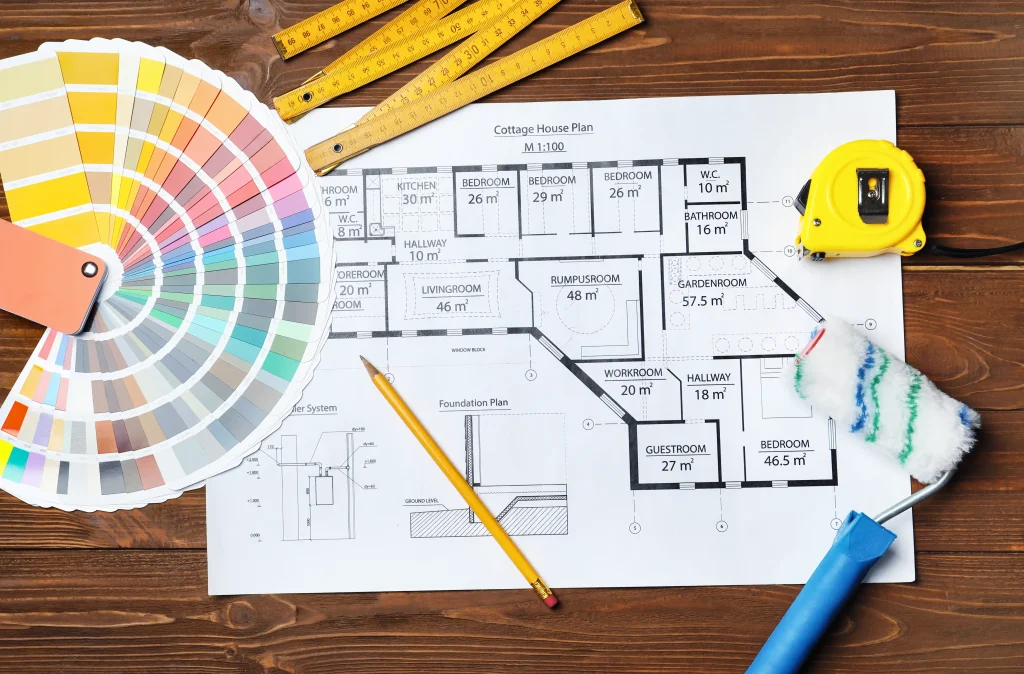
At Sustainaspace, we understand that thoughtful floor plan design is key to creating homes that are not only visually appealing but also healthy, energy-efficient, and comfortable. Efficient use of natural light and air movement can significantly reduce energy bills, improve indoor comfort, and enhance the overall wellbeing of residents. This guide explores practical strategies for space planning in Australian house designs to optimize cross-ventilation and daylight access.
Understanding Cross-ventilation
Cross-ventilation occurs when air flows through a building from one side to the other, removing heat and moisture while improving indoor air quality. Proper planning of window placement, room layout, and openings is crucial to achieving effective airflow. In Australian homes, prevailing wind directions often influence where windows and vents should be positioned.
Rooms that require high levels of ventilation, such as kitchens and bathrooms, should be strategically located to receive direct airflow. Corridors or open-plan layouts can act as channels for air, guiding it naturally through the home. Consider using sliding doors, louvres, or operable windows to allow for adjustable airflow, enhancing comfort during both summer and winter months.
Designers often complement cross-ventilation with shading solutions to reduce heat loads, a concept explored in House Plan Australia Design Guide: Shading Devices & Facade Design That Cut Loads — House Plans Australia.
Maximising Daylight Access
Daylight is an essential factor in both energy efficiency and occupant wellbeing. By capturing natural light effectively, homes require less artificial lighting and enjoy a more uplifting interior environment. Floor plans should prioritize main living areas—such as living rooms, dining spaces, and home offices—on the northern side of the house in Australia to receive consistent daylight.
Window size, orientation, and glazing type all contribute to how daylight penetrates interior spaces. Clerestory windows or skylights can illuminate deeper areas of the house without compromising privacy. Open-plan layouts further facilitate the flow of light across multiple rooms, reducing reliance on electric lighting during the day.
Integrating daylight strategies aligns with approaches seen in House Designs Guide: Architectural Design For Energy-efficient Homes — From Concept To Da — House With Plans, House Plans, where light management is central to sustainable design.
Strategic Room Zoning
Effective space planning goes beyond individual rooms; it involves zoning areas according to usage, privacy, and environmental conditions. For cross-ventilation, bedrooms and private areas should be positioned away from prevailing winds that could cause drafts, while living areas and kitchens can be aligned to capture airflow.
Daylight zoning is equally important. Placing high-use areas where natural light is most abundant improves energy efficiency and comfort. Service areas such as laundry rooms, storage spaces, and bathrooms, which do not require significant daylight, can occupy zones with limited sun exposure. Combining zoning principles with circulation pathways ensures that airflow and light permeate the home efficiently.
Open-plan layouts can be especially effective for energy-efficient Australian homes, as they allow light and air to travel unimpeded across spaces. Hallways, voids, and central courtyards can further act as light wells and ventilation channels, creating a healthier internal environment.
Window and Opening Design
Windows, doors, and ventilation openings are the gateways to light and airflow. The selection and positioning of these elements should consider both environmental factors and occupant comfort.
Operable windows on opposing walls facilitate cross-ventilation by allowing fresh air to enter on the windward side and exit on the leeward side. Window-to-wall ratios should be carefully balanced: excessive glazing may increase heat gain, while insufficient openings can limit airflow and daylight. Incorporating high-level windows, ventilation grilles, or narrow clerestory designs can ensure continuous air movement without compromising privacy.
External shading devices, such as overhangs, awnings, or pergolas, not only block unwanted heat but also work in synergy with window placement to control glare and diffuse light. This complements facade-level strategies similar to those outlined in House Plan Australia Design Guide: Shading Devices & Facade Design That Cut Loads — House Plans Australia.
Circulation Pathways and Airflow Channels
The arrangement of hallways, corridors, and central spaces can significantly influence ventilation efficiency. Continuous pathways allow wind to pass through the home naturally, reducing hotspots and ensuring comfort across rooms.
Open staircases, voids, or split-level designs enhance vertical airflow, drawing hot air upwards and out of the building. Similarly, interior partitions should be minimal or strategically designed with openings to prevent airflow stagnation.
While circulation is primarily a functional requirement, it can also create visual and spatial continuity, connecting daylight-filled spaces with naturally ventilated zones. This holistic approach to floor planning strengthens the overall sustainability of the home.
Combining Natural Light and Ventilation for Energy Efficiency
A home designed with integrated daylight and cross-ventilation strategies will see tangible benefits in energy savings and environmental impact. Reduced reliance on artificial lighting and mechanical cooling not only lowers utility bills but also contributes to a greener footprint.
To maximise these benefits, design elements such as thermal mass, insulation, and ceiling heights should be considered alongside window placement and ventilation. Materials with high thermal performance absorb, store, and release heat effectively, moderating indoor temperatures while maintaining comfort. These principles echo concepts discussed in House Designs Guide: Architectural Design For Energy-efficient Homes — From Concept To Da — House With Plans, House Plans, highlighting the importance of holistic design in sustainable homes.
Sustainaspace champions the creation of homes where daylight and airflow coexist seamlessly, fostering spaces that are functional, healthy, and environmentally responsible. Thoughtful floor plan design is a critical first step, and when combined with other energy-efficient strategies, it transforms houses into comfortable, cost-effective, and sustainable living environments.