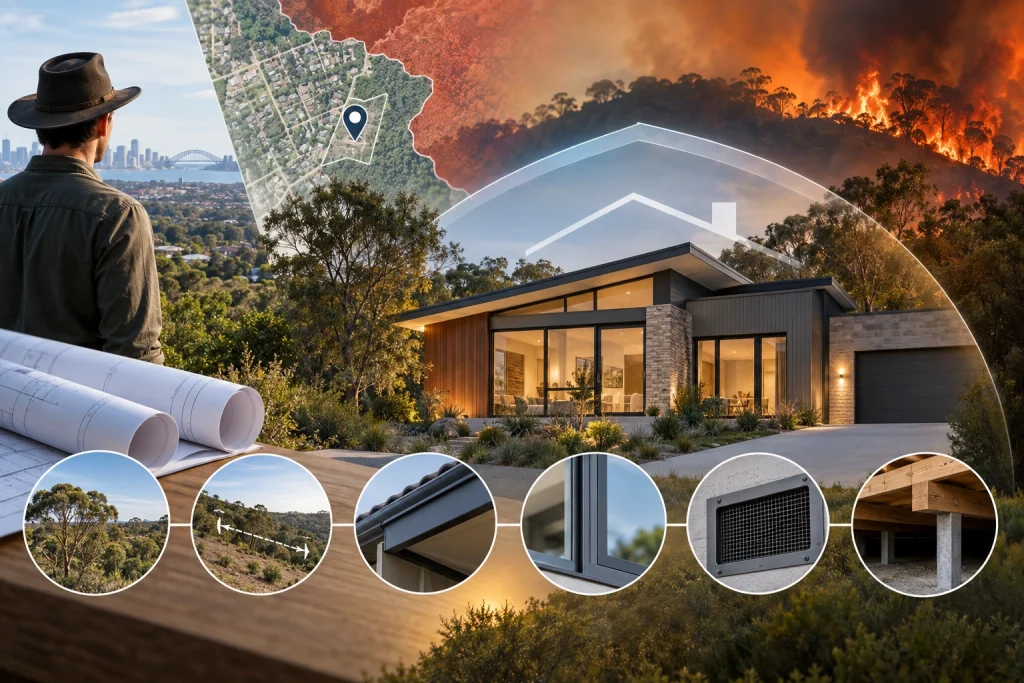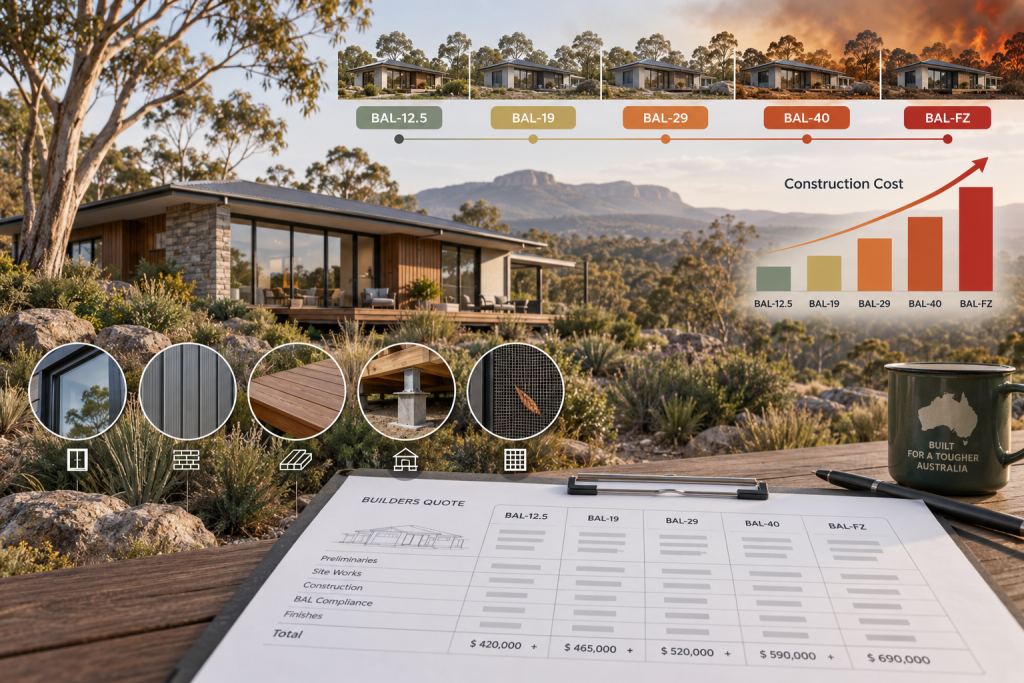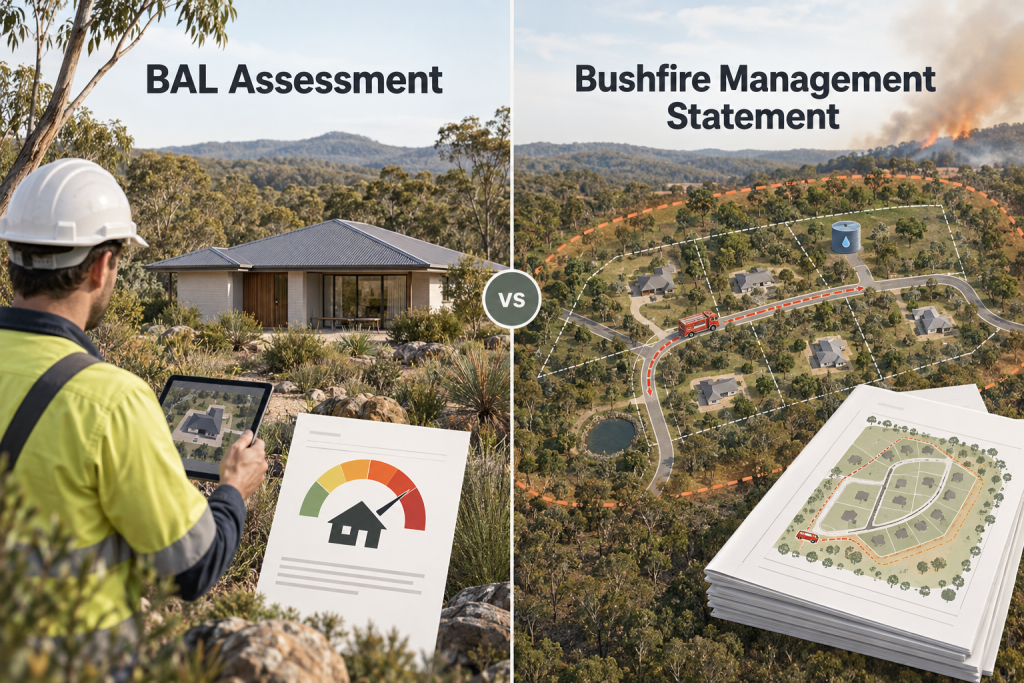
At Sustainaspace, we constantly aim to create homes that are not only visually striking but also energy-efficient. The interplay between shading devices and facade design is a cornerstone of this mission. Thoughtful shading and facade planning can dramatically reduce cooling and heating loads, improving comfort while minimizing energy consumption. In this guide, we explore how to optimise house designs in Australia using these techniques, blending aesthetics, functionality, and sustainability.
Understanding Shading Devices in Australian Homes
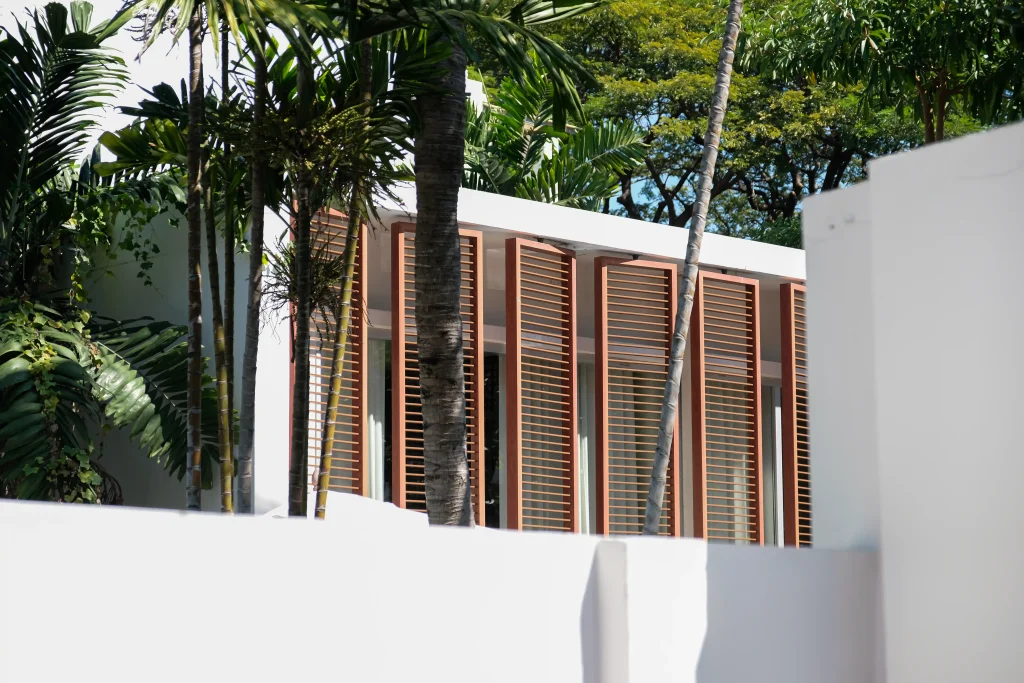
Shading devices are more than just decorative elements—they actively control solar heat gain, glare, and daylight penetration. In Australia’s diverse climates, effective shading can reduce energy loads by up to 30% in summer months. Common options include overhangs, pergolas, external louvers, shutters, and fins. Their orientation, angle, and size should correspond to your site’s latitude, prevailing winds, and the seasonal path of the sun.
For north-facing facades, deep horizontal overhangs can block high summer sun while allowing lower winter sun to penetrate, enhancing passive solar heating. East and west-facing walls, exposed to harsh low-angle sunlight, benefit more from vertical fins or adjustable louvers. Integrating deciduous vegetation as natural shading can complement these devices, providing seasonal efficiency without mechanical energy use.
For designers following the principles outlined in House Building Layout Guide: Working With Your ESD Consultant: Workflow & Milestones — House Plans And Floor Plans, shading planning should start at the early layout phase, ensuring every window and outdoor space aligns with passive solar strategies.
Facade Design: More Than Skin Deep
The facade is the home’s primary interface with the external environment. Beyond aesthetics, it plays a critical role in energy management. Facade materials with high thermal mass, like concrete or brick, can absorb heat during the day and release it at night, moderating indoor temperatures. Meanwhile, lightweight facades paired with insulation reduce heat transfer and improve thermal comfort in warmer regions.
Colour and texture also influence thermal performance. Lighter hues reflect solar radiation, whereas darker tones absorb heat. Innovative facade solutions, such as double-skin walls or ventilated facades, allow air to circulate and dissipate heat before it reaches the interior. These solutions can be tailored for modern Australian homes to balance energy efficiency and design expression.
A thoughtful facade design often aligns with concepts from House Designs Guide: Architectural Design For Energy-efficient Homes — From Concept To Da — House With Plans, House Plans, where integrating energy performance with the architectural language creates homes that are efficient and visually cohesive.
External Shading Solutions and Outdoor Comfort
External shading is crucial for maintaining outdoor and indoor comfort simultaneously. Verandas, pergolas, and cantilevered balconies can protect windows and patios from direct sunlight while enhancing the liveability of outdoor spaces. Retractable awnings or motorized louvers add flexibility, allowing homeowners to adapt shading to weather and activity.
Strategically positioned shade trees and vertical green walls are increasingly popular, providing dual benefits of passive cooling and air quality improvement. By combining built and natural shading, architects can reduce the reliance on mechanical cooling systems, creating sustainable homes that align with Australian climate conditions.
Window Design and Solar Control
Windows are often the most significant points of heat gain or loss in a home. Their orientation, size, and glazing type directly impact the building’s energy performance. High-performance glazing options, such as double or triple glazing with low-emissivity coatings, limit unwanted heat transfer while allowing daylight.
Shading devices should be integrated with window design, particularly for east- and west-facing facades where low-angle sun can cause overheating. Adjustable external screens or louvered shutters give homeowners the ability to fine-tune solar control throughout the day, maintaining comfort without compromising daylight or views.
When planning detailed shading strategies, integrating them during the early design workflow, similar to strategies outlined in House Building Layout Guide: Working With Your ESD Consultant: Workflow & Milestones — House Plans And Floor Plans, ensures these features are functional rather than retrofitted after the fact.
Materials and Finishes for Thermal Performance
Choosing the right materials for facade and shading devices is critical. Durable, low-maintenance materials such as treated timber, powder-coated metals, and engineered composites provide both longevity and energy performance. Combining these with insulating layers or reflective coatings can significantly reduce thermal loads.
Porous or ventilated cladding materials allow airflow, cooling the surface naturally and reducing heat transfer into the interior. For modern Australian homes, balancing visual appeal, durability, and thermal performance is essential. Selecting materials with embedded sustainability credentials, such as recycled content or low embodied energy, further enhances the home’s environmental profile.
Integrated Design: Efficiency Through Cohesion
The ultimate goal of shading and facade design is an integrated, energy-efficient home where every element works together. Coordinating window placement, shading devices, facade materials, and landscaping ensures that solar gain, natural ventilation, and thermal mass operate in harmony.
When implemented thoughtfully, these strategies reduce energy consumption, enhance indoor comfort, and add value through lasting aesthetics. By considering shading and facade decisions early in the design process, homeowners can achieve high-performance homes tailored to the Australian climate.
As demonstrated in House Designs Guide: Architectural Design For Energy-efficient Homes — From Concept To Da — House With Plans, House Plans, cohesive planning between facade design and shading devices is essential to cut energy loads while preserving architectural integrity.
At Sustainaspace, we champion design strategies that seamlessly blend sustainability with style. From carefully oriented overhangs to ventilated facades and integrated shading devices, each decision is informed by energy performance and comfort. By applying these principles, Australian homeowners can enjoy beautiful, functional, and low-energy homes that stand the test of time, proving that responsible design and architectural elegance can coexist effortlessly.